Nature Note

January Nature Note

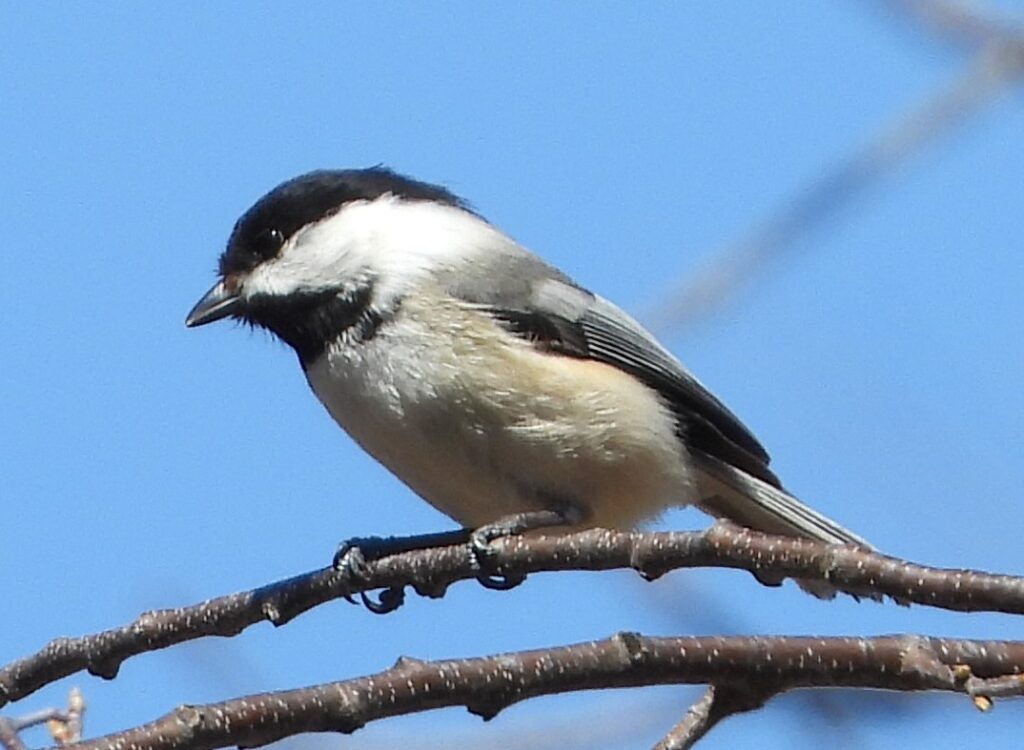
Black-capped chickadees may be one of the most easily recognizable birds both by their look and by their call: “chicka-dee-dee-dee”. However, did you know that chickadees are one of the smallest and hardiest birds that stays and faces Minnesota winters head on? Most people think about birds migrating south, moving to warmer locations, and living through the winter season in these areas. Have you ever considered how such a tiny bird like the chickadee manages to survive our harsh Minnesota winters?
January Nature Note Read More »

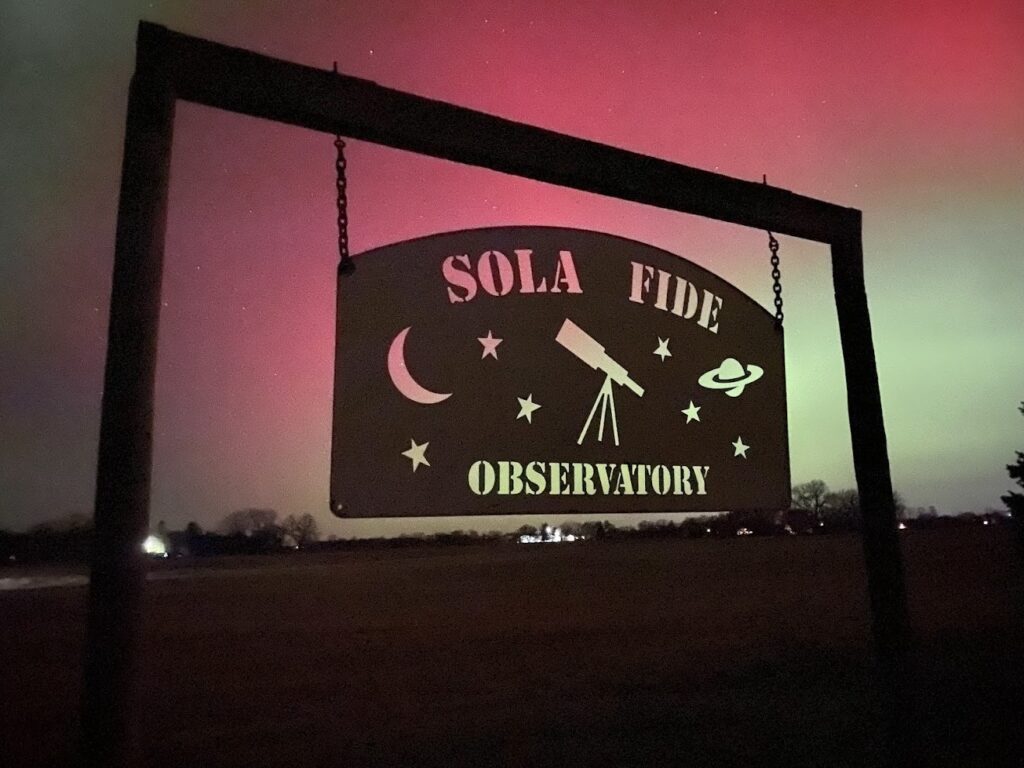
Sola Fide Observatory sign hanging with the northern lights behind it.

December Nature Note

A few weeks ago, I found myself gazing at the night sky, parked on the edge of a cornfield in my flannel pajamas. It’s not every day that something so extraordinary and urgent comes along that I leave the house in my slippers; but a picture-perfect aurora borealis is just that. As the greens and pinks danced in the sky, I knew that whatever was happening up there felt almost like magic. Turns out, it’s all thanks to the sun.

December Nature Note Read More »

September Nature Note

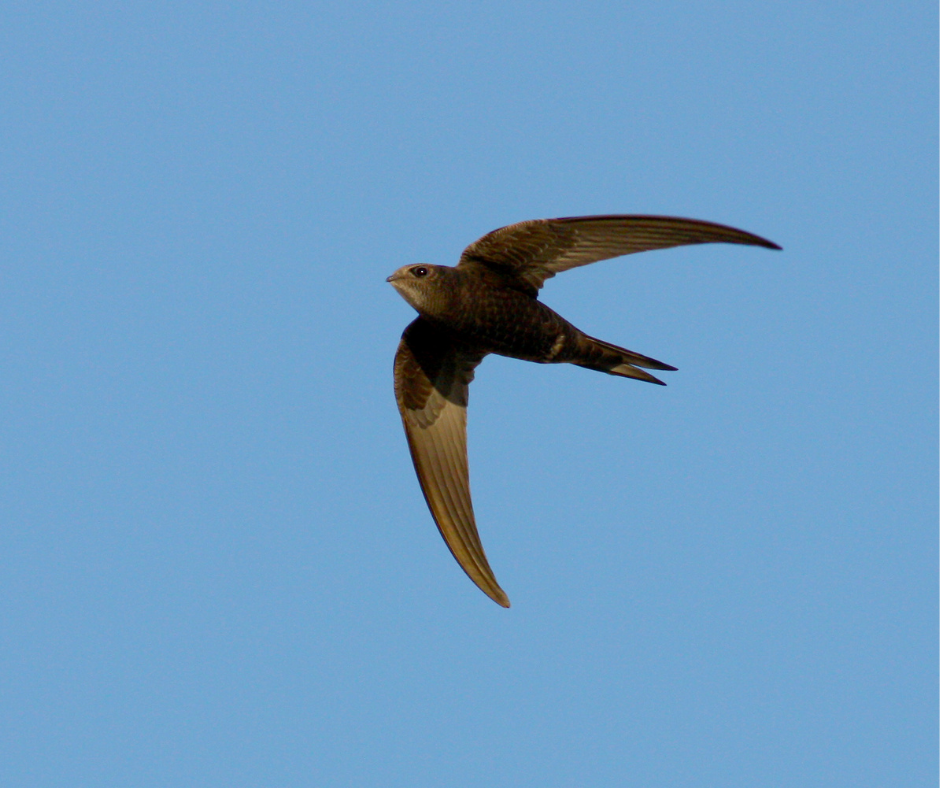
Every evening this summer, the sky above Main Street fills with small, fast moving birds darting and chirping above the buildings. While they are unnoticed by most, it only takes one look up to realize these are not ordinary birds. Nicknamed “flying cigars” because of their slender, tube-shaped bodies, their amazing speed and constant aerial acrobatics make them hard to miss once you know what to look for. These are Chimney Swifts, and while they have spent the last several months performing every night on Main Street and throughout town, by the end of September they will all be gone.

September Nature Note Read More »

June Nature Note

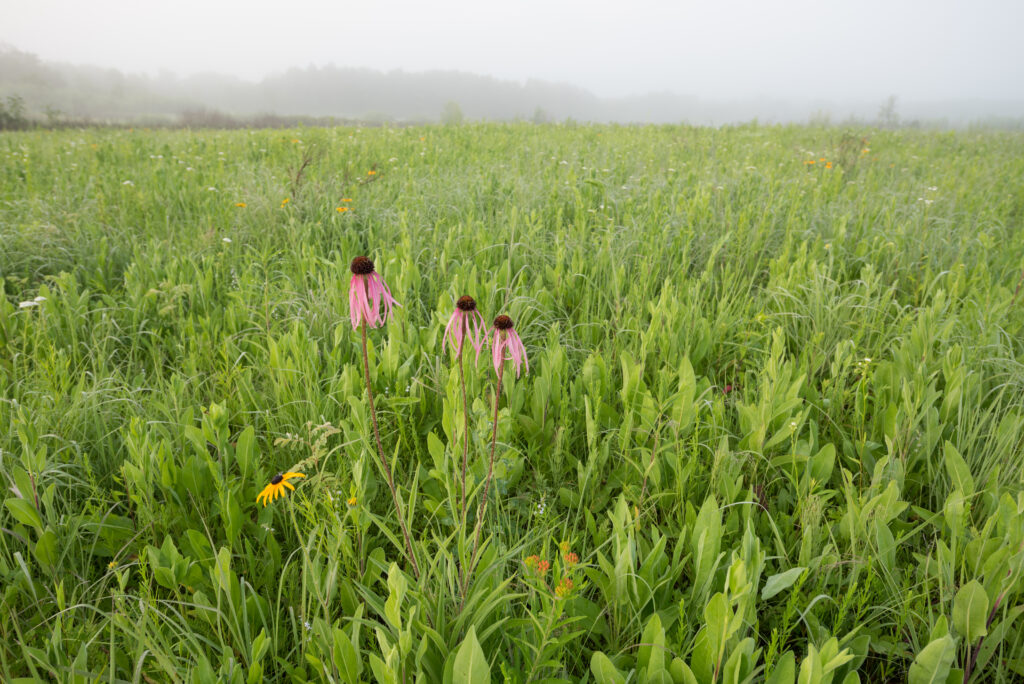
There has been a lot of buzz about the decline of bee populations lately. But what most people are focusing on is the loss of large honeybee colonies. While devasting, honeybees are actually not native to the United States and there are a greater diversity of pollinators that are being lost that we should be focusing on. One of the best ways to help our native Minnesota pollinators is to plant native Minnesota plants.

June Nature Note Read More »

Scroll to Top